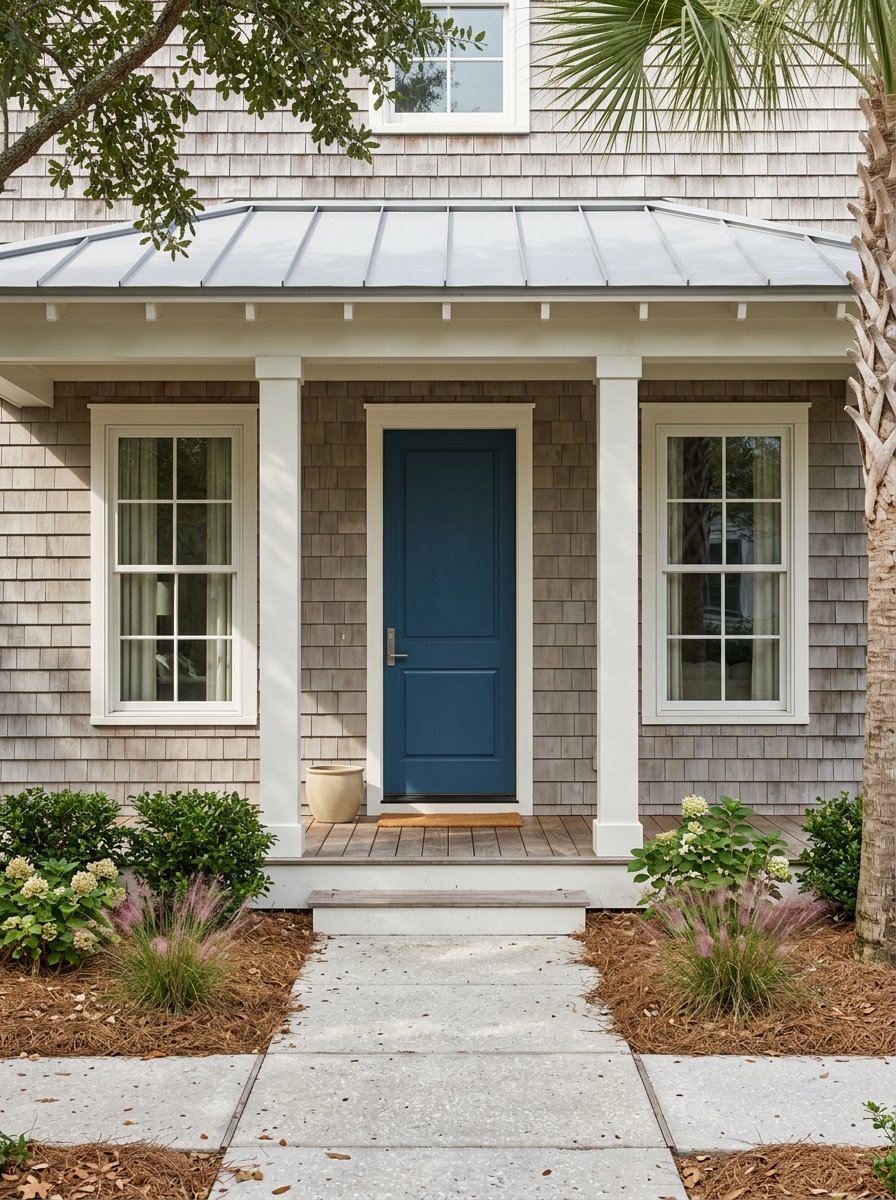
If your Wilmington home sits too long after it hits the market, buyers start asking what is wrong with it. That can feel frustrating, especially when you have already put time, money, and energy into getting ready to sell. The good news is that a strong launch can help you stand out early, attract serious attention, and set a better tone for the entire sale. Let’s dive in.
Why launch week matters in Wilmington
Wilmington is not moving at the same speed it did in the most frenzied market years. Recent local data shows homes taking roughly six to ten weeks to sell, with reports ranging from 43 median days on market to 73 average days on market, and New Hanover County reporting 55 average cumulative days on market with 4.73 months of inventory.
That points to a market where buyers have time to compare options and negotiate. Realtor.com’s local data also shows a 98% sale-to-list ratio, which suggests many buyers are not rushing in with blind offers. In this kind of market, your first impression matters even more.
The first few days after your listing goes live can have outsized impact. Early views, saves, shares, and showing activity often shape whether your home builds momentum or starts off flat. If you want the best chance at strong traffic in the first three weeks, your launch has to be intentional.
Price for day one
A strong launch usually starts with the right price, not an optimistic one. In Wilmington, the safest strategy is to use recent sold comparables and adjust for condition, location, and property type.
That matters because Wilmington is not one single price band. Different neighborhoods and ZIP codes can show very different median prices, so a citywide average may not tell the full story for your home. A historic property near downtown, a newer home in a suburban setting, and a coastal property closer to the water may all need very different pricing logic.
If your list price is even modestly above what buyers see as market value, you risk losing the most valuable attention window. Buyers today have options, and many are comparing homes carefully before scheduling tours or making offers.
What smart pricing considers
- Recent sold homes, not just active competition
- Your home’s condition and updates
- Lot size, layout, and usable space
- Location within Wilmington or greater New Hanover County
- Coastal factors that may affect appeal or cost of ownership
- Features buyers value right now, such as flexible spaces, outdoor living, and energy-efficient upgrades
A calm, data-based pricing plan gives you a better shot at attracting serious buyers early instead of making price cuts later.
Prep the home before it goes live
Launch strength starts before the sign goes up. If you wait until your listing is active to fix obvious issues, gather documents, or sort through repair questions, you can lose time and buyer confidence.
In Wilmington, prep work deserves extra care because coastal ownership comes with specific concerns. Flood, moisture, and drainage should not be treated like minor side notes. New Hanover County notes that floods can happen at any time and almost anywhere in North Carolina, and more than 20% of flood claims come from properties outside high-risk flood zones.
That means buyers may ask detailed questions even if your home is not in what they assume is a high-risk area. If you already have useful information ready, you can answer clearly and keep the process moving.
Focus on the issues buyers notice fast
- Deferred maintenance
- Staining, musty smells, or visible moisture concerns
- Poor drainage around the home
- Damaged trim, decking, or exterior surfaces
- HVAC, plumbing, or electrical issues
- Window, roof, or crawl space concerns
- Clutter that makes rooms feel smaller or less functional
You do not need to renovate everything. You do need to address the items that could distract buyers or raise questions during showings.
Get disclosures organized early
In North Carolina, disclosures are not something to scramble through after a buyer appears. State law requires the Residential Property Disclosure Statement to be furnished to the buyer no later than the time the buyer makes an offer.
The form covers major topics such as water and sewer, structural components, mechanical systems, infestations, zoning or covenants, and environmental issues. The revised version that took effect July 1, 2024, also includes more detailed flood-related questions.
This matters in Wilmington, where buyers often want clarity on flooding, drainage, permits, repairs, and property history. If you know about a material issue, it should be disclosed accurately and in writing. If you later learn something in your disclosure is incorrect, it should be corrected promptly.
Documents worth gathering before launch
- Residential Property Disclosure Statement
- Any known flood or drainage information
- Repair receipts and contractor invoices
- Permit records you have on hand
- HOA or covenant information, if applicable
- Utility or system details for major updates
- Lead-based paint disclosure materials for homes built before 1978
Being organized does two things. It helps buyers feel more confident, and it helps your listing avoid delays once interest starts coming in.
Build a strong online listing package
Most buyers will meet your home online before they ever walk through the front door. That makes your digital presentation one of the most important parts of your launch.
Buyer research shows 83% of buyers rated photos as the most useful website feature. Detailed property information came next at 79%, followed by floor plans at 57% and virtual tours at 41%.
That tells a clear story. A Wilmington listing needs more than a few quick photos and a short description. Buyers want enough visual and written detail to decide whether your home deserves a showing.
What to include on day one
- Professional photography
- A complete and accurate property description
- Clear notes on updates and standout features
- Floor plan, if available
- Virtual tour or added visual context, if available
- Useful details about outdoor spaces, storage, layout, and flexibility
Your listing should help buyers imagine daily life in the home. Features tied to everyday use and long-term value often get the strongest response, including usable outdoor areas, flexible rooms, smart-home features, and energy-efficient updates.
Stage for clarity, not perfection
Staging does not mean making your home look fake or overdesigned. It means helping buyers see the space, the flow, and the function without distraction.
That can make a real difference. Recent research found that 83% of buyers’ agents said staging made it easier for buyers to envision the home, and 49% of sellers’ agents said it reduced time on market.
In Wilmington, this is especially helpful when a home has unique character, older features, or a layout that needs context. Historic homes, coastal properties, and lived-in family homes can all benefit from simple, thoughtful presentation.
Easy staging priorities
- Remove extra furniture that blocks flow
- Keep surfaces clean and lightly styled
- Use bright, natural light whenever possible
- Tone down bold personal decor
- Highlight porches, decks, patios, and other outdoor living areas
- Make flexible rooms easy to understand
You are not trying to erase your home’s personality. You are trying to make it easy for buyers to picture their own life there.
Make showings easy from the start
Once your listing is live, convenience matters. If buyers cannot see the home easily in those first days, you may lose momentum when interest is highest.
A strong showing plan keeps the home bright, clean, and ready to tour with as little friction as possible. In a market where buyers have time to compare, ease of access can help your home stay in the running.
Quick response matters too. Early feedback can tell you whether buyers are connecting with the price, presentation, and condition of the home. The goal is to pay attention early, while you still have the best chance to adjust if needed.
Launch-week showing checklist
- Keep the home clean daily
- Open blinds and maximize natural light
- Minimize odors and pet traces
- Secure repair notes and disclosures for easy reference
- Stay flexible with showing times when possible
- Review early feedback for patterns
The smoother the showing experience, the easier it is for buyers to say yes to a second look or a serious offer.
Think like a buyer comparing options
When your home launches in Wilmington, it is entering a live comparison set. Buyers may be weighing your property against newer homes, homes with recent price reductions, homes in different ZIP codes, or homes with different flood and maintenance profiles.
That is why launch quality has to work as a full package. Price, prep, disclosures, photos, staging, and showing access all support one another. If one piece is weak, it can affect how buyers view the rest.
The strongest listings tend to feel ready from the beginning. They are priced with discipline, presented clearly, and backed by the details buyers need to make a decision.
A strong launch is a seller advantage
In a more negotiable Wilmington market, you do not control every outcome. You do control how prepared your home is before it hits the market and how well it performs during the most important first stretch.
That is where thoughtful local guidance matters. From pricing and home prep to disclosures and launch strategy, a well-planned start can help you protect momentum and put your home in the best position to sell.
If you are getting ready to sell in Wilmington or anywhere in the Cape Fear region, Anna Sillery can help you create a launch plan that fits your home, your timeline, and the realities of the local market.
FAQs
What does a strong Wilmington listing launch mean for sellers?
- A strong Wilmington listing launch means your home is priced appropriately, fully prepared, clearly documented, professionally presented online, and easy to show from day one.
Why is pricing a Wilmington home correctly so important at launch?
- Pricing a Wilmington home correctly matters because buyers have time to compare listings, local sale-to-list ratios are near 98%, and an overpriced home can lose momentum during the most important first days on the market.
What disclosures should Wilmington sellers prepare before listing?
- Wilmington sellers should prepare the North Carolina Residential Property Disclosure Statement, organize any known flood or drainage details, gather repair and permit records, and have lead-based paint disclosure materials ready if the home was built before 1978.
How important are photos and floor plans for a Wilmington listing?
- Photos and floor plans are very important for a Wilmington listing because buyers often decide whether to tour a home based on online presentation, and research shows photos, detailed property information, and floor plans are among the most useful listing features.
What should Wilmington sellers fix before listing a home?
- Wilmington sellers should focus first on visible maintenance issues, moisture or drainage concerns, mechanical problems, exterior wear, and anything that could raise questions about condition during early showings.
How can Wilmington sellers make showings more effective?
- Wilmington sellers can make showings more effective by keeping the home clean, bright, neutral, and easy to access, while also reviewing early buyer feedback for signs that pricing or presentation may need adjustment.