If you picture downtown living as all noise and no charm, Downtown Wilmington may surprise you. This part of the city blends river views, historic streets, local restaurants, arts venues, and everyday convenience in a way that feels lively without losing its sense of place. If you are wondering whether this area fits your lifestyle, this guide will help you understand the pace, perks, and tradeoffs of living in the heart of Wilmington. Let’s dive in.
Downtown Wilmington at a Glance
Living in Downtown Wilmington means being surrounded by a mix of riverfront activity, historic architecture, and local businesses. The area is shaped by the Cape Fear River Riverwalk, which stretches 1.75 miles from Nun Street to the Isabel Holmes Bridge and connects you to parks, dining, shopping, museums, public art, and river views.
Downtown is also larger and more layered than many people expect. According to Wilmington’s visitor bureau, the historic downtown area spans more than 230 blocks, with landmarks and streetscapes that give the district a strong sense of character and continuity. Rather than feeling like a single business strip, it functions more like a mixed urban neighborhood with residential, retail, civic, and cultural spaces woven together.
Historic Character Shapes Daily Life
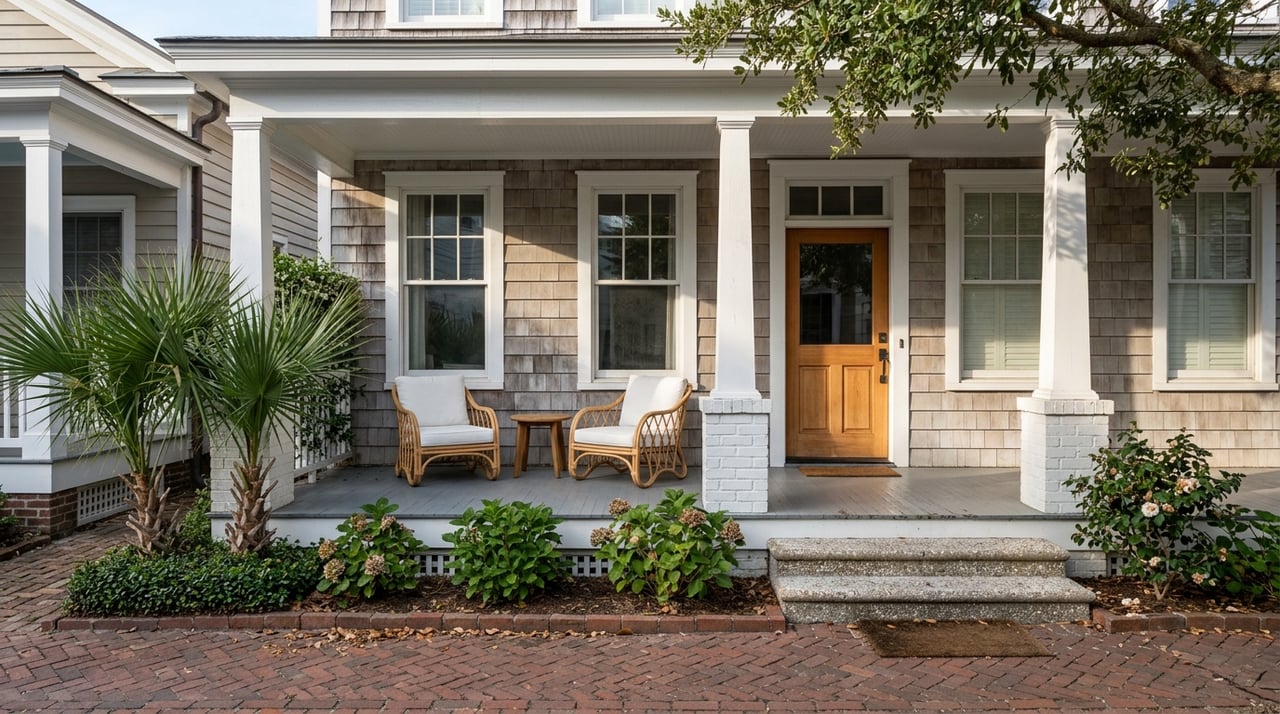
One of the biggest draws downtown is its architectural character. Wilmington’s local historic districts include an eclectic mix of late nineteenth- and early twentieth-century buildings, along with residential architecture ranging from high-style homes to more vernacular designs, as outlined by the city’s historic district information.
That historic identity is not just visual. It can also affect what ownership looks like, especially if you are considering a property in a local historic district. Exterior changes may require a Certificate of Appropriateness, so it is important to understand that preservation standards can be part of the process.
For many buyers, that is part of the appeal. If you value original details, established streetscapes, and homes with a story, downtown offers a setting that feels distinct from newer suburban development.
Riverfront Living Is the Main Attraction
The riverfront is a big reason people are drawn to this part of Wilmington. The River District is where downtown feels especially active, with boutiques, galleries, outdoor cafés, restaurants, and public gathering spaces all within walking distance of the water.
The Riverwalk adds a lot to day-to-day life. You can take a stroll by the water, stop for a meal near Market and Water streets, catch views across the river toward Battleship North Carolina, or enjoy public art and open space along the way. The riverfront also includes marina access, fishing areas, seasonal concerts, cruises, and water taxi connections, according to this Riverwalk guide.
It is worth noting that the city is replacing sections of Riverwalk decking in phases through early 2026. That means some stretches may have periodic construction activity, which is helpful to keep in mind if daily waterfront access is high on your list.
Walkability Is a Real Perk
One of the clearest advantages of living downtown is the ability to leave your car parked more often. Restaurants, coffee spots, galleries, entertainment, and parts of the riverfront are close together, which supports a more walkable routine than you will find in many other parts of the region.
That said, downtown is not car-free. The city manages more than 2,600 on-street metered spaces and 3,346 off-street public spaces, including six parking decks and two surface lots, as detailed on the city’s parking page. Some streets in Historic Downtown also qualify for a residential parking permit program.
If you want alternatives to driving, Wave Transit’s free Port City Trolley connects the five downtown districts on a seasonal basis, and Padgett Station serves as the downtown transfer center for bus, trolley, and other transit services. Recent infrastructure work, including the Fifth Avenue rebuild highlighted in the city’s Greater Downtown Plan, has also added bike lanes, sidewalks, ramps, and crosswalks that improve connections in and around downtown.
Dining and Nightlife Feel Local
If you enjoy being near restaurants and evening activity, downtown delivers a lot of variety in a compact area. The Convention District alone has more than 40 restaurants within walking distance, according to the Wilmington and Beaches River District overview.
What stands out most is the local feel. Downtown’s core is known for independently owned cafés, restaurants, boutiques, and galleries, rather than a chain-heavy suburban setup. That gives the area a more distinct rhythm, especially if you like being able to grab dinner, meet friends, and walk between stops without a long drive.
The city also has a social district framework, which supports the food-and-beverage environment downtown. In practical terms, that adds to the sense that going out and enjoying the public realm is part of everyday life here.
Arts and Events Add Energy
Downtown Wilmington is not just about restaurants and river views. It also has a strong arts presence that gives the area depth and year-round activity.
Thalian Hall has been part of historic downtown since 1858 and remains one of the city’s signature performance venues. The Hannah Block Historic USO Community Arts Center also contributes with studios, rehearsal space, performances, and classes for local arts groups.
If you like living somewhere with performances, festivals, and cultural events on the calendar, downtown has a lot to offer. This is one reason the area often feels active and social, even beyond the main restaurant hours.
Outdoor Space Is Better Than Many Expect
Some buyers assume downtown living means giving up green space. In Wilmington, that is not entirely the case. Riverfront Park adds a major outdoor amenity to the area with 6.6 acres that include a concert venue, festival space, playground, interactive water feature, gardens, plazas, and open lawn areas.
That gives downtown residents a meaningful public space for events, walks, and time outdoors. Combined with the Riverwalk, it helps balance the built environment with room to gather, relax, and enjoy the waterfront setting.
What the Pace Feels Like
The best way to describe Downtown Wilmington is historic, compact, social, and event-oriented. Life here tends to revolve around walkable amenities, public spaces, and a calendar of things to do, rather than larger private lots or a quieter suburban routine.
For some buyers, that is exactly the point. If you want a low-maintenance setting with character, access to dining and arts, and the ability to enjoy Wilmington’s urban core on foot, downtown can be a strong fit. If you prefer a slower pace, more private outdoor space, or a more drive-oriented lifestyle, other parts of the Wilmington area may align better.
Tradeoffs to Know Before You Move
Every neighborhood comes with tradeoffs, and downtown is no exception. Here are a few practical things to consider:
- Parking takes planning. While there is substantial public parking downtown, you may need to think more intentionally about permits, decks, meters, and guest parking than you would in a suburban neighborhood.
- Historic rules may affect renovations. If a home is in a local historic district, exterior updates may require review and approval.
- Construction can affect some corridors. Riverwalk improvements and downtown infrastructure projects can mean temporary disruptions in specific areas.
- The atmosphere is active. Events, dining, and entertainment are part of downtown’s appeal, but they also create a busier environment than some buyers want.
None of these factors are necessarily negatives. They are simply part of what makes downtown a distinct lifestyle choice.
Who Downtown Wilmington Often Fits Best
Downtown Wilmington tends to appeal to buyers who want lifestyle and character first. That can include people relocating to Wilmington, buyers who appreciate historic homes, and anyone who wants a more connected, amenity-rich everyday routine.
It may be especially appealing if you value:
- Walkability
- Historic architecture
- River views and waterfront access
- Local restaurants and shops
- Arts, events, and public spaces
- A lower-maintenance urban setting
If you are trying to decide whether downtown matches your goals, it helps to look beyond the listing itself. The right fit often comes down to how you want your daily life to feel.
Final Thoughts on Living Downtown
Downtown Wilmington offers a lifestyle that is hard to replicate elsewhere in the area. Between the riverfront, preserved architecture, local business scene, arts venues, and public spaces, it feels like a place where the setting shapes your routine in a meaningful way.
If you are considering a move and want help thinking through lifestyle fit, historic-home considerations, or how downtown compares with other Wilmington neighborhoods, Anna Sillery can help you weigh your options with clear, local guidance.
FAQs
What is daily life like in Downtown Wilmington?
- Daily life in Downtown Wilmington often centers around walkable access to the Riverwalk, local restaurants, shops, arts venues, and public spaces, with a more active and social pace than many suburban areas.
Is Downtown Wilmington walkable for full-time residents?
- Yes, downtown is one of Wilmington’s more walkable areas, and it also offers transit options like the seasonal free Port City Trolley, though many residents still use cars for some errands and commuting.
Are there parking challenges in Downtown Wilmington?
- Parking is available through on-street metered spaces, parking decks, surface lots, and some residential permit areas, but it usually requires more planning than neighborhoods with private driveways and larger lots.
What should buyers know about historic homes in Downtown Wilmington?
- Buyers should know that some downtown properties are located in local historic districts, where exterior changes may require a Certificate of Appropriateness under city preservation rules.
Does Downtown Wilmington have parks and outdoor space?
- Yes, downtown includes the Riverwalk and Riverfront Park, which offer open space, waterfront access, event areas, gardens, and places to walk or gather outdoors.
Who is a good fit for living in Downtown Wilmington?
- Downtown Wilmington is often a strong fit for people who want historic character, walkability, local dining, arts, and a lively urban setting, while buyers seeking larger yards or a quieter pace may prefer other parts of the area.