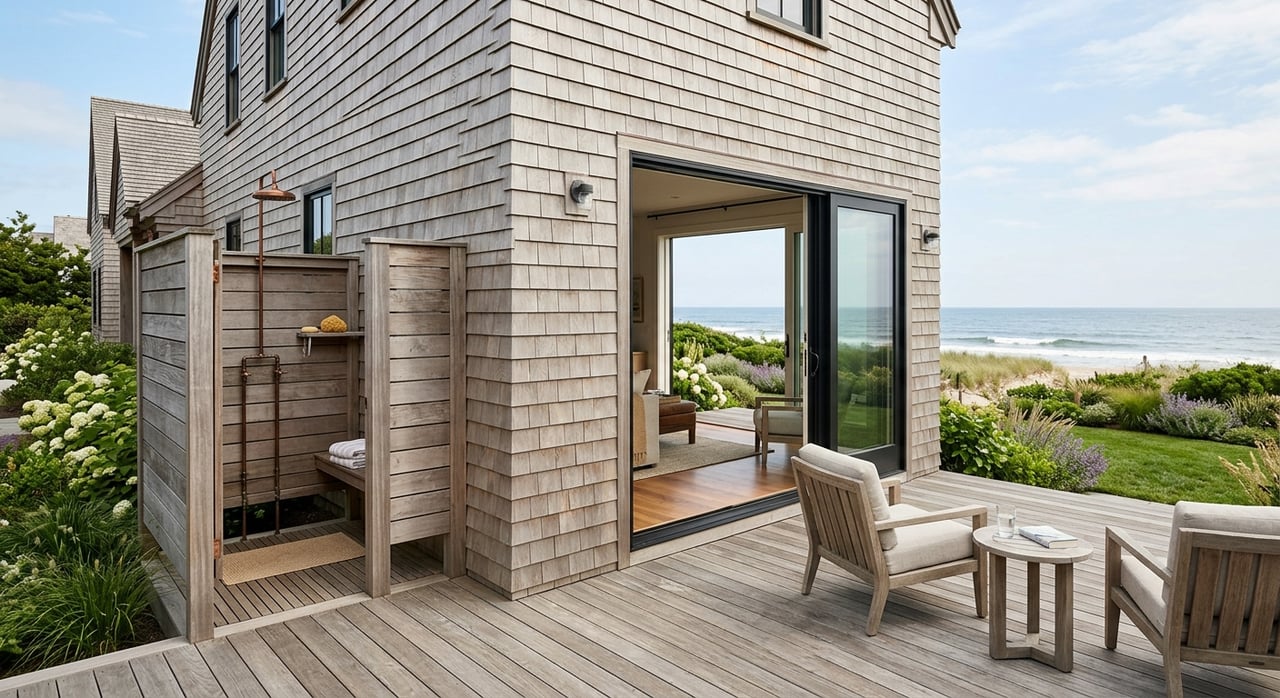
If you have ever wondered whether Wrightsville Beach is just a vacation spot or a place you can truly call home, the answer is both. Living here full-time can feel peaceful, active, and deeply tied to the water, but it also comes with real day-to-day considerations that matter before you buy. If you are thinking about a move, this guide will help you understand the pace, housing, and practical realities of year-round life on the island. Let’s dive in.
Year-round life in Wrightsville Beach
Wrightsville Beach is a small barrier-island town with a resident base of roughly 2,500 people. That smaller full-time population shapes daily life in a big way, especially outside the peak summer season. For many residents, the off-season feels more local, more relaxed, and easier to navigate.
Summer brings a very different energy. Town materials note that the island sees an influx during peak visitor season, and you can feel that shift in traffic, parking, and overall activity. If you enjoy a lively beach atmosphere but want quieter stretches too, that seasonal rhythm is a big part of the appeal.
The town’s planning materials describe Wrightsville Beach as family-oriented and focused on quality of life. In practical terms, that often means a lifestyle centered on outdoor routines, familiar faces, and a strong connection to the island itself. You are not just near the beach here. The beach is part of how daily life works.
Daily routines feel outdoor-first
One of the clearest signs of full-time island life is The Loop, a 2.45-mile walking and jogging path that circles the island’s interior near the park and marshes. For year-round residents, it is more than a recreation feature. It becomes part of your morning walk, evening run, or casual meet-up with neighbors.
Wrightsville Beach Park and six neighborhood parks support that same outdoor rhythm. The setting encourages simple, repeatable routines that many buyers are looking for when they picture coastal living. Instead of planning your day around getting to nature, nature is already built into where you live.
Beach access is another major part of daily life. The town says there are 44 designated public beach access locations, and beach access is free. Some public restrooms are also open year-round, which adds convenience for residents who use the beach regularly beyond the summer months.
The seasons change how the island feels
Living in Wrightsville Beach year-round means noticing how rules and routines shift with the calendar. Parking meters are enforced from March 1 through October 31, and lifeguards are on duty from Memorial Day weekend through Labor Day weekend. That gives you a good sense of when the island moves into its busier, more managed season.
The cooler months often feel calmer and more resident-focused. Dogs are allowed on the beach from October 1 to March 31, and bicycles are allowed on the beach only in cooler months with summer-hour restrictions. For many full-time owners, these off-season months are when the island feels easiest to enjoy at a slower pace.
That seasonal contrast is important if you are deciding whether the lifestyle fits you. Some people love the energy of summer and the quieter feel of fall and winter. Others may find the seasonal swings less appealing if they want a more consistent environment year-round.
Recreation goes beyond the sand
Wrightsville Beach is beach-centered, but full-time life is not limited to sitting on the shore. Official area materials highlight surfing, paddleboarding, kayaking, sailing, and fishing as part of the local lifestyle. If being active on the water is a major reason you are considering the move, this location clearly supports that goal.
You also have access to nearby natural areas that broaden the experience of living here. Materials point to the Mason Inlet Waterbird Management Area and Masonboro Island, which is described as the largest undisturbed barrier island along the southern North Carolina coast. These places help give the area a strong sense of coastal character beyond the residential streets.
For buyers focused on lifestyle fit, this matters. Wrightsville Beach works best for people who want regular access to outdoor recreation, not just a pretty view from the porch. The setting invites you to participate in it.
Housing has variety and coastal character
It is easy to picture Wrightsville Beach as one long row of beach houses, but the town’s land-use plan shows a more varied built environment. Single-family residential is the primary use of developed land, but there are also meaningful multi-family residential and commercial areas. Commercial activity is concentrated in a few nodes instead of being spread evenly across the island.
That mix can be helpful if you are looking for different ownership options or if you want to understand how different parts of the island function. Some areas feel more residential, while others place you closer to shops, services, or busier corridors. The island is compact, but it is not one-note.
Wrightsville Beach also has a visible older-cottage heritage. The town’s historic property list includes homes and cottages dating back to the early and mid-20th century, and the town maintains a Historic Landmark Commission along with a historic home relocation program. That helps explain why some areas still hold onto an older beach-cottage feel even as other homes are rebuilt or updated.
For buyers who love architectural character, that blend can be part of the draw. You may find a setting that feels rooted in the island’s history, but you should also expect ongoing change as properties evolve over time. In a coastal market like this, character and redevelopment often exist side by side.
Ownership comes with more regulation
One of the biggest differences between owning in Wrightsville Beach and owning inland is the level of oversight tied to coastal property. The town’s Planning and Inspections Department handles zoning, building permits, minimum housing standards, and CAMA permits, and it oversees the Historic Landmark Commission. If you plan to renovate, rebuild, or make major exterior changes, you should expect a more regulated process.
That does not mean ownership is difficult. It means details matter more, and early planning matters more. For many buyers, especially those purchasing a coastal or older home, having clear local guidance can make a big difference.
This is one reason lifestyle fit and property fit should be considered together. A home may check the boxes for location and views, but you also want to understand what future improvements or maintenance may involve. Coastal ownership often rewards buyers who go in with a full picture.
Flood and insurance are not side notes
If you are considering a full-time move to Wrightsville Beach, flood diligence needs to be part of your decision from the start. The town states that all properties within the corporate limits are in the floodplain and subject to state and local regulations. That is not an occasional concern here. It is part of the baseline reality of ownership.
The town also notes that surveyors can provide FEMA-approved elevation certificates for insurance purposes. For buyers, this means insurance research and property-specific due diligence should happen early in the process. It is better to understand those costs and requirements upfront than to treat them as an afterthought.
This is where a practical, local approach matters. Buying at the beach can absolutely be worth it for the right lifestyle, but it tends to work best when you weigh scenery and access alongside insurance, elevation, and long-term maintenance.
Parking is part of everyday life
Parking may not be the first thing you think about when imagining beach living, but it is part of daily life on a small island. Wrightsville Beach has more than 1,600 metered public parking spaces and 26 pay stations. Residents can also purchase residential parking permits and vehicle decals for longer-term use.
That setup reflects the island’s role as both a hometown and a visitor destination. For full-time residents, it means living in a more managed parking environment than you might find in an inland suburb. Depending on where you buy, parking convenience may be a bigger quality-of-life factor than you first expect.
When buyers compare properties here, parking should be part of the conversation right alongside layout, beach access, and flood considerations. Small practical details can have a big impact on how easy a home feels to live in year-round.
Getting to Wilmington is still practical
Even though Wrightsville Beach feels compact and coastal, it is not isolated from the rest of the area. Wilmington International Airport is about 10 miles away, which helps make travel and visiting easier. That can be a real advantage if you split time between places, travel often, or have family coming in from out of town.
The River to Sea Bikeway also connects downtown Wilmington to Wrightsville Beach. That connection reinforces one of the best parts of living here full-time: you get a smaller island setting without feeling cut off from the broader Wilmington area. Daily life can still include work, errands, dining, and services off the island.
For many buyers, that balance is the sweet spot. Wrightsville Beach offers a coastal lifestyle, but it remains closely tied to the convenience of Wilmington.
Who tends to love living here
Wrightsville Beach tends to be a strong fit if you want a beach-first lifestyle, easy outdoor routines, and a smaller community feel. It can be especially appealing if scenery, water access, and everyday walkability are high on your list. The off-season calm and summer energy create a rhythm that many full-time residents enjoy.
It may be a less natural fit if you want very low-maintenance ownership or a more predictable year-round pace. Floodplain realities, parking management, seasonal crowds, and coastal regulations are all part of the package. None of those are deal-breakers on their own, but they should match what you want from your next home.
If you are thinking about buying in Wrightsville Beach, the goal is not just to find a beautiful property. It is to find the right match between your lifestyle, your budget, and the realities of barrier-island living. If you want help thinking through those details, Anna Sillery offers calm, local guidance tailored to coastal North Carolina buyers.
FAQs
What is year-round living like in Wrightsville Beach?
- Year-round living in Wrightsville Beach is typically quieter and more local in the off-season, then noticeably busier during peak summer months when visitor traffic increases.
What outdoor amenities does Wrightsville Beach offer residents?
- Wrightsville Beach offers The Loop, a 2.45-mile walking and jogging trail, Wrightsville Beach Park, six neighborhood parks, 44 public beach access locations, and access to activities like surfing, kayaking, sailing, and fishing.
What should buyers know about flood risk in Wrightsville Beach?
- Buyers should know that all properties within the town limits are in the floodplain and subject to state and local regulations, so flood and insurance diligence should be part of the buying process from the beginning.
What is the housing mix in Wrightsville Beach?
- Wrightsville Beach includes primarily single-family residential areas, along with multi-family and commercial areas, plus a mix of older cottages, updated homes, and properties in more active commercial nodes.
Is parking a factor for full-time residents in Wrightsville Beach?
- Yes. Wrightsville Beach has a managed parking environment with over 1,600 metered public spaces, 26 pay stations, and residential permits and decals available for longer-term use.
How close is Wrightsville Beach to Wilmington?
- Wrightsville Beach is closely connected to Wilmington, with Wilmington International Airport about 10 miles away and the River to Sea Bikeway linking downtown Wilmington to the island.